


C3 Blog
What Is the Difference Between Detention and Demurrage?
January 12, 2026

Subscribe to the C3 Blog!
The latest industry news in your inbox.
The Author

 14 min


Knowing the difference between detention and demurrage determines your total logistics costs and how you can mitigate them. For example, a driver arrives at the terminal gate but is asked to wait outside due to congestion. Meanwhile, the container sits inside the terminal, eventually staying longer than planned. Additional charges will be the end result. Now, the go-to fix for most shippers is to negotiate charges after the fact. But the correct approach is to identify the root cause of the problem and eliminate it earlier through scheduling and visibility.
In this article, we explore the differences between detention and demurrage, where each occurs, and how shippers reduce fees by managing time through scheduling and visibility.
Why Detention and Demurrage Are Often Confused
Detention and demurrage get mixed up because both feel like “delay fees.” But they start in different places and point to different failures. Confusing detention with demurrage obscures responsibility, resulting in weak root-cause analysis. For example, your team may see a charge, rush to dispute it, only to return to the same habits. And then the very next shipment repeats the same mistakes and inevitably triggers the same fee. At this point, the bill is only a symptom, not the disease. Detention points to yard and dock delays, while demurrage points to port and terminal delays. When teams treat them as the same problem, they fix nothing.
What Is Detention?
The Federal Maritime Commission describes detention as a charge for extended use of intermodal equipment. Basically, detention is a charge for keeping a container, chassis, or truck outside the terminal longer than the free time allowed. It applies to what happens after the shipment leaves the terminal and enters the shipper’s world.
Common Causes of Detention
The most common cause of detention is burning up free time before the work even begins, often due to long wait times at the gate, poor dock scheduling, labor gaps, or missed handoffs. Each cause traces back to time control. When trucks arrive without clear slots or doors are not ready, waiting becomes inevitable.
What Is Demurrage?
UNCTAD defines demurrage as a charge paid for the use of the container within the terminal beyond the free period. Basically, it is triggered at the port or terminal stage of the flow after the container is discharged, stacked, and made available for pickup. With demurrage, the clock does not wait for your truck appointment, warehouse plan, or internal delay. The responsibility sits with the cargo owner’s side, even when a terminal is congested.
Common Causes of Demurrage
Containers sitting too long at terminals incur demurrage charges due to dwell. For instance, the box is available, but there is no pickup within the allotted free time. After free time runs out, terminal dwell becomes a daily charge.
Demurrage can also result from poor appointment coordination, especially when avoidable idle days occur. Another leading cause of demurrage is when port availability, dray schedules, and warehouse capacity do not line up. In that case, the container is often stuck at the terminal while each party works on a different plan.
Detention vs. Demurrage: Key Differences Explained
Detention and demurrage are measured on different clocks at different locations. They charge for disparate failures in the same freight flow. As we mentioned earlier, detention occurs at the yard, while demurrage occurs at the terminal.
| Item | Demurrage | Detention |
| Where it happens | Port or terminal | Yard, dock, or outside-terminal custody |
| What starts the clock | Container available inside the terminal | Equipment picked up or held outside the terminal |
| What usually causes it | Late pickup, dwell, missed terminal slot | Gate queues, door delays, slow unload, late return |
| Who can control it the most | Planning and coordination across port-to-dray | Yard and dock control at the shipper site |
| What it signals | Weak upstream timing | Weak site timing |
Mind you, mixing these charges leads to the wrong fix. If you treat demurrage as a dock issue, you will chase door work while the real delay sits at the terminal. And on the other hand, if you treat detention as a port issue, you will chase dray carriers while your own dock rhythm stays broken.
Why These Charges Cost More Than Money
The cost of detention and demurrage goes beyond the financial impact to the bottom line. Here is how:
- Detention and demurrage damage carrier relationships: Carriers remember slow sites, and dispatchers avoid stop locations that cause drivers to wait. You lose access to better capacity when your site becomes known for long waits.
- Detention and demurrage wear down drivers: Waiting time feels like wasted time to a driver. It can also reduce earnings, which creates frustration, turnover, and a lower willingness to accept your freight.
- Detention and demurrage create yard and dock crowding: Every trailer that sits idle takes the yard or dock one step closer to congestion. And every container that arrives late becomes a staging problem. Congestion becomes a second tax because it slows every move.
- Detention and demurrage lead to missed delivery windows: When there is a late pickup, there will be a later loading, which can impact your inland delivery commitments.
How Poor Visibility Drives Detention and Demurrage
Poor visibility creates “surprise time loss,” which is the most expensive kind. For example, if your team only learns about a container availability change after the terminal’s free time has already expired, you have lost the cheapest chance to act.
Lack of real-time container and trailer visibility obscures the location of the shipment or cargo. If you cannot see which container is still in the terminal and which trailer is stuck in your yard, you are planning in the dark. And that usually translates to missed pickups and fees.
Manual scheduling and first-come, first-served dock processes create gate waves. Now, first-come sounds fair, but it makes timing unpredictable, which messes up the process because it will either be mostly idle or mostly congested. You will rarely have it in between. That’s simple probability.
Disconnected systems break port-to-yard-to-warehouse timing. Port status, drayage appointments, yard location, and dock plans often live in separate tools. That separation creates delays at every handoff because each team sees a different truth.
Reactive work increases fees because it starts after free time is already burned. When the response begins after the invoice arrives, the next invoice is already being created.
How C3 Solutions Yard and Dock Technology Helps Reduce Both
C3 Solutions’ yard and dock technology was designed to eliminate detention and demurrage by ensuring impeccable arrival plans, visibility, and alignment across the entire operation. With our platform, you are sure of the following:
Dock scheduling that reduces detention by leveraging appointments to control arrivals. When carriers book slots, and you control door capacity by time window, the flow becomes more structured. This way, you eliminate guesswork, and waiting times drop.
Yard visibility reduces detention by shortening “search and shuffle” time. For instance, imagine knowing exactly where a trailer or container sits inside the yard. You will be able to significantly reduce the wasted minutes spent hunting for your shipment.
With our platform, you also enjoy seamless integration among yard, warehouse, and transport systems, helping you reduce missed handoffs. When appointment data, yard status, and warehouse readiness align, the team acts sooner, and earlier action protects free time.
Practical Examples
A site has six live unloading doors. 30 inbound trucks arrive over two hours late because scheduling is based on email confirmations. The line of trucks starts to grow, and receiving crews get buried in work. Drivers are forced to wait beyond their free time, and the detention fee starts ticking.
A better schedule and visibility setup prevents that detention. Now, imagine another scenario where there are structured time slots. Arrivals will be smoother, and gate check-in will be faster with planned appointments. Receiving labor is planned around expected peaks. And the clock stops being random, and detention drops.
Another example: A container is available at the terminal on Monday. The dray appointment is booked for Thursday because the warehouse had no receiving plan tied to the port availability. Free time ends Wednesday night. Demurrage starts even though the container never reached the shipper’s yard.
On the other hand, visibility and early notification of “available for pickup” status trigger earlier appointment booking. Yard and dock plans reserve space before the box leaves the terminal. Dray moves shift from hope-based to time-based. Most importantly, everything is done within the free time.
4 Common Misconceptions About Detention and Demurrage
Detention and demurrage charges persist not because they are inevitable, but because they are often misunderstood. These misconceptions lead teams to chase invoices instead of fixing the operational breakdowns that create repeat fees.
1. Detention and demurrage are interchangeable charges
They may look similar on an invoice, but each signals a different failure point. Demurrage reflects delays inside the terminal, while detention reflects delays after equipment leaves the terminal. Treating them as the same issue leads to misdiagnosis and ineffective fixes.
2. Detention and demurrage are unavoidable costs of doing business
These charges are not random. They appear when time is unmanaged across appointments, handoffs, and visibility gaps. When arrivals, pickups, and dock capacity are planned with intent, free time is protected and fees decline.
3. Detention and demurrage are carrier problems
While carriers issue the invoices, the root causes usually sit within shipper-controlled operations. Poor dock scheduling, limited yard visibility, and late decision-making create the conditions that trigger fees.
4. Negotiating charges solves the problem
Negotiation may recover a portion of the cost, but it does not prevent the next invoice. Sustainable reduction comes from process change, earlier visibility, and tighter control of time across the dock, yard, and terminal.
Reducing Detention and Demurrage Starts With Dock and Yard Control
Detention is paid time lost outside the terminal, while demurrage is paid time lost inside the terminal. The two charges look alike on an invoice, but they point to different causes. And an understanding of both changes how you act. For instance, by labelling the charges correctly, you can eliminate guesswork when tracing time loss to the correct location.
However, your time becomes manageable when arrivals are planned, yard assets are visible, and changes reach teams quickly. C3 Solution’s modern yard visibility and dock scheduling tools help shippers protect free time and cut paid waiting, which protects cash.
If detention and demurrage charges are becoming routine, it may be time to move beyond spreadsheets and reactive fixes. Request a demo to see how C3 Solutions helps shippers gain control of time across the dock, yard, and terminal.
Frequently Asked Question
1. Who pays detention vs demurrage?
The party holding the equipment past free time often pays the bill. Demurrage tends to fall on the cargo owner’s side while the container is still in the terminal. Detention tends to fall on the party holding the container, chassis, or truck outside the terminal.
2. What are the average costs of each?
Rates vary by carrier, terminal, lane, and day tier. Some public reports have cited average demurrage and detention charges of thousands of dollars per container per day during peak periods. Carriers and forwarders also note that charges are billed per container per day and can vary by location and equipment type.
3. How does free time work?
Free time is the allowed window during which you can keep the container in the terminal or keep equipment outside the terminal without incurring extra charges. Once that window ends, charges begin. The exact count depends on contract terms and local rules.
4. Can detention and demurrage happen on the same shipment?
Yes, one shipment can trigger both. A container can sit too long in the terminal, incur demurrage, then leave the terminal and be held too long outside, incurring detention.
5. What is the fastest way to reduce repeat charges?
Treat time like inventory. Track it, assign ownership, and manage it with planned appointments and yard visibility.
Simple Glossary
Detention: Fees for holding equipment outside the terminal beyond free time.
Demurrage: Fees for keeping a container in the terminal beyond free time.
Free time: The number of days you can use the terminal space or equipment without charges.
Dwell time: How long cargo or equipment sits in one place without moving.
Terminal: The port facility where containers are stacked and released for pickup.Chassis: The frame used to move a container by road.

Other articles you might like
-
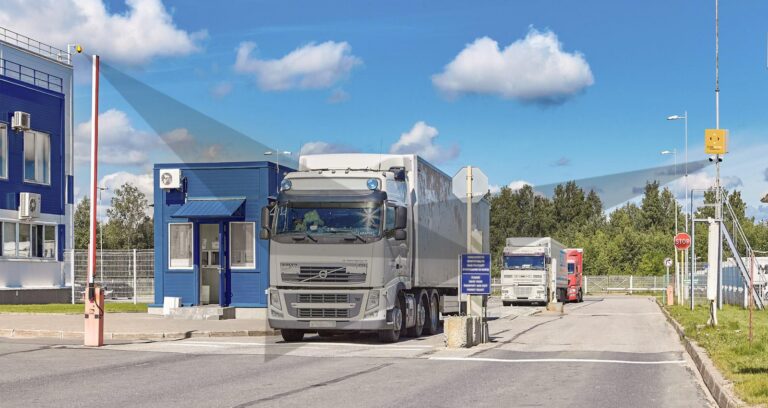
Using Vision AI to Revolutionize Vehicle Access Control
By Marc Tomkinson • June 16, 2026Managing big yards is resource-intensive and challenging. It is frequently plagued with inefficiencies, and much time is lost on manual… -

What Is a Blind Shipment in Trucking? How It Works and How to Set One Up
By Greg Braun • June 10, 2026A driver pulls up to a warehouse for a pickup. The bill of lading in his folder lists a different… -

Supply Chain Visibility Explained: Key Challenges, Benefits, and Ways to Improve It
By Neil McEvoy • June 3, 2026Most supply chain problems are visible in hindsight. A shipment arrives late, a dock backs up, inventory goes missing in…
Leave a comment